
Basements in Red Deer are often the coldest part of the home due to below-grade construction and heat loss through concrete slabs. Many homeowners consider in-floor heating to make their basements comfortable, usable, and energy efficient during Alberta winters. With the right system design and proper insulation, radiant floor heating can transform a cold basement into a warm, livable space while improving overall home comfort.
How In-Floor Heating Works in Basement Spaces
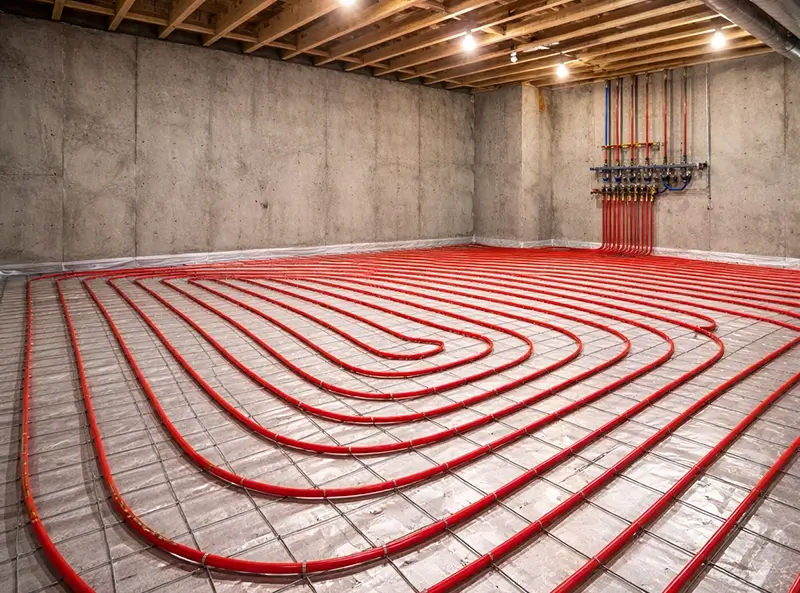
Radiant in-floor heating warms the floor surface first, allowing heat to rise evenly throughout the basement. Unlike forced air systems that heat the air unevenly, radiant systems deliver consistent warmth across the entire space, making them ideal for cold basement environments.
Hydronic Radiant Heating
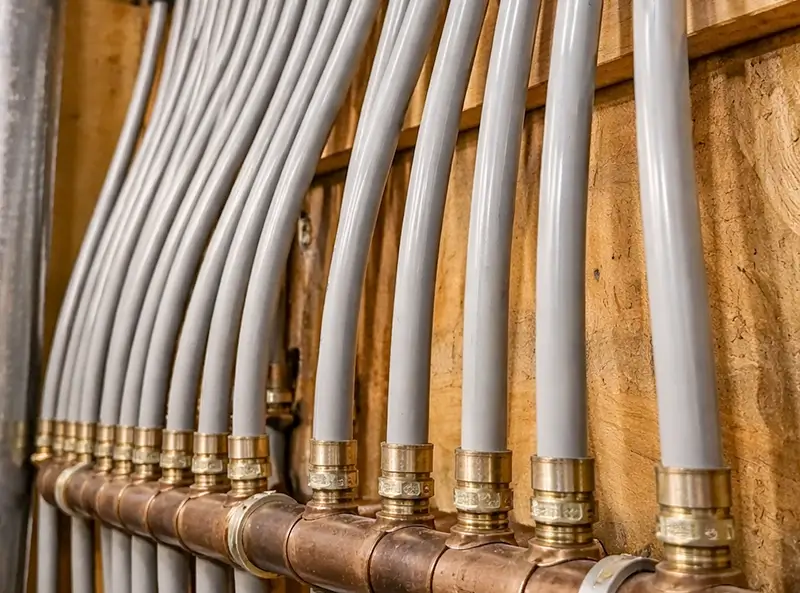
Hydronic systems circulate warm water through tubing installed beneath the basement floor. These systems are ideal for heating larger basement areas and can integrate with a home’s boiler system for efficient, whole-space heating. Many homeowners choose this option for long-term performance and lower operating costs.
Electric Radiant Heating
Electric systems use heating cables or mats installed beneath the flooring surface. They are easier to install during renovations and are best suited for smaller basement areas such as bathrooms, offices, or partial living spaces. While installation costs are lower, operating costs can be slightly higher than hydronic systems for larger areas.
Why Basements in Red Deer Feel Colder Than the Rest of the House
Basements are surrounded by soil and concrete, which absorb and retain cold temperatures. Poor insulation, slab heat loss, and limited airflow contribute to lower temperatures compared to upper floors. Radiant heating directly warms the floor surface, reducing heat loss and improving comfort more effectively than traditional forced air heating.
Key Benefits of In-Floor Heating for Basements

Radiant floor heating offers several advantages for Red Deer homeowners looking to improve basement comfort and energy efficiency.
Even Heat Distribution Without Cold Spots
Radiant systems provide consistent warmth across the entire floor, eliminating cold areas commonly found in basements heated by forced air systems. This creates a more comfortable and balanced indoor environment.
Energy Efficiency in Alberta Winters
Radiant systems operate at lower temperatures while maintaining comfort, which can improve efficiency and reduce heat loss. Hydronic systems connected to a high-efficiency boiler often deliver the best long-term energy savings.
Silent Operation and Improved Air Quality
Because radiant systems do not rely on fans or ductwork, they operate quietly and do not circulate dust or allergens. This makes them ideal for finished basements used as living spaces or bedrooms.
Increased Home Value and Usable Living Space
A heated basement becomes a comfortable extension of the home, whether used as a suite, office, or recreation area. Improved comfort and efficiency can increase overall home appeal and resale value.
Potential Drawbacks Homeowners Should Know

While in-floor heating offers many benefits, homeowners should consider potential limitations before installing a system.
Higher Upfront Installation Cost
Hydronic radiant systems require tubing, manifolds, and boiler integration, which increases installation costs compared to traditional heating methods. Retrofit installations are typically more expensive than new construction.
Installation Complexity in Finished Basements
Installing radiant heat in an existing finished basement may require removing flooring, modifying the slab, or adding insulation layers. This increases labor and project complexity.
Slower Heat Response Time
Radiant heating warms gradually, which means it may take longer to reach the desired temperature compared to forced air systems. However, once warmed, it maintains consistent comfort.
Installation Cost in Red Deer (2026)
Installation Type | Average Cost (Red Deer) |
Electric radiant (small basement) | $1,800 – $4,500 |
Hydronic system (new build) | $6,000 – $12,000 |
Hydronic retrofit (finished basement) | $10,000 – $18,000+ |
Boiler integration or upgrade | $3,000 – $7,000 |
Installation costs vary based on basement size, insulation quality, flooring type, and whether the system is installed during construction or retrofit.
Operating Cost and Energy Efficiency
Radiant heating systems often operate more efficiently than forced air heating because they reduce heat loss and distribute warmth evenly. Hydronic systems connected to modern boilers typically offer lower long-term operating costs, especially during long Alberta winters.
Is It Worth It? ROI for Red Deer Homeowners
The value of in-floor heating depends on how often the basement is used, the condition of insulation, and the overall heating system design.
Best Situations Where In-Floor Heating Makes Sense
In-floor heating is most beneficial during basement renovations, new home construction, or when converting a cold, unused basement into a comfortable living space. Homes already using hydronic heating systems often benefit the most.
When It May Not Be Worth the Cost
If the basement is rarely used, poorly insulated, or the project budget is limited, the upfront cost of radiant heating may outweigh the benefits. Proper insulation and system design are essential to maximize value.
Common Repairs and Maintenance Costs
Repair Type | Typical Cost |
Thermostat replacement | $150 – $350 |
Zone valve or pump repair | $250 – $700 |
Leak repair in hydronic tubing | $800 – $2,000 |
Boiler service related to radiant heat | $200 – $600 |
Routine maintenance and professional installation help prevent major repairs and ensure long-term performance.
Professional Installation and System Planning
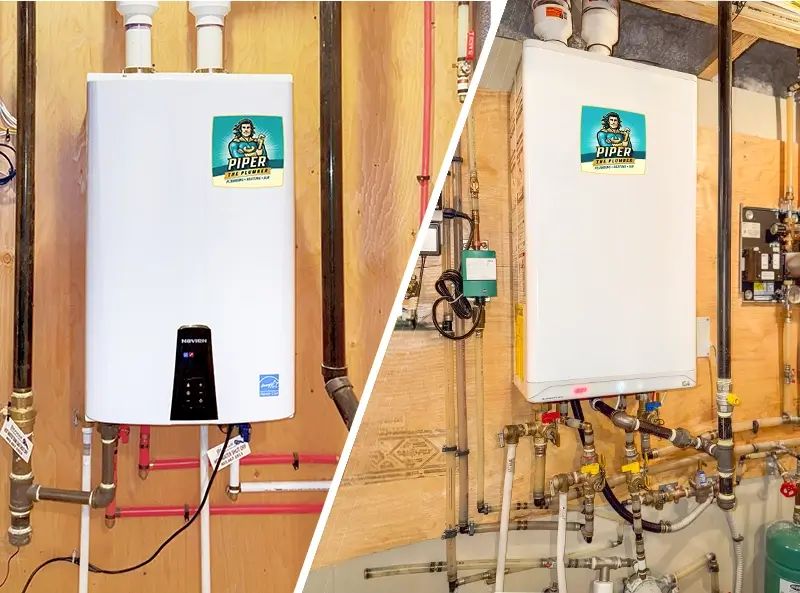
Proper system design, insulation, and heat load calculations are essential for efficient radiant heating performance. Many hydronic systems require professional boiler installation to ensure correct sizing, efficiency, and reliability. If you want to better understand how radiant systems function, read our guide on how in-floor heating works for Red Deer homes.
Frequently Asked Questions
Is radiant floor heating good for basements in Red Deer?
Yes. Radiant heating eliminates cold floors and provides even heat distribution, making basements significantly more comfortable during Alberta winters.
How much does in-floor heating cost in Red Deer?
Electric systems typically start around $1,800, while hydronic basement systems can range from $10,000 to $18,000 depending on size and retrofit complexity.
Does radiant heating increase home value?
Often yes. Heated basements improve usable living space and overall comfort, which can increase home appeal and resale potential.
Is hydronic or electric better for basements?
Hydronic systems are better for heating entire basements efficiently, while electric systems work well for smaller areas or renovation projects.
How long does in-floor heating last?
Hydronic tubing can last 30 to 50 years, while electric radiant systems typically last over 20 years with proper installation and maintenance.